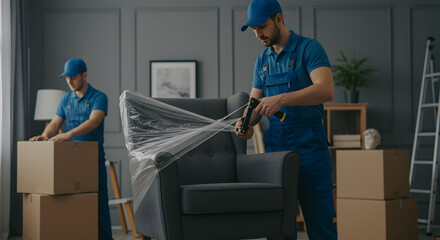
Professional residential Movers Norman OK can streamline the process of moving into your new home. However, they can’t do their jobs without your help. From cleaning to labeling, there are several things you should do before the movers arrive.
A clean, well-organized home is a breeze to pack and can make the difference between missing items and having everything you need in the right place.
1. Pack Ahead

It is essential to get your home and belongings ready for movers before the day they arrive. This preparation will help make the process faster and more efficient and can help prevent costly mistakes.
Start by decluttering ahead of time. This can be done by donating items you no longer want or need, hosting a garage sale, or simply throwing away unnecessary clutter.
It is also a good idea to label all boxes clearly and create an inventory of contents. This will help movers know where each box should go in your new home and reduce confusion. It will also save you the hassle of rummaging through boxes to find your daily necessities like clothing, toiletries, and important documents. Lastly, it is a good idea to take pictures of your home’s condition before moving day. This will help you prove that any existing damage wasn’t caused by movers.
2. Clean Your Home
Cleaning your home before the movers arrive is an essential step in moving to a new place. Not only will it make the transition easier for you, but it will also ensure that your belongings are protected and ready to be moved.
Creating a house cleaning checklist can be daunting, but applying a detailed plan of action yields streamlined results. Start by completing a walkthrough of your home and identifying rooms that need cleaning. Wipe down kitchen appliances and countertops, sanitize bathrooms, vacuum carpeting in bedrooms and living spaces, and patch and paint wall scuffs as needed.
Adding a thorough house cleaning before and after packing helps safeguard your security deposit and eases final inspections, particularly in areas like Columbia, Myrtle Beach, Charleston, Sumter, and Savannah where property standards are exacting. Inspecting for red-flags like mold or rust can save you costly repairs later.
3. Remove Unwanted Items
If you have items that you don’t plan to take with you in your move, it is a good idea to get rid of them before the movers arrive. This will make it much easier to pack and move items, and it can also save you money on unnecessary costs for extra boxes, trash removal, or repair fees after the move.
Consider having a garage sale or giving away items to charity. This will give you a fresh start in your new home and help you stay organized.
Another important thing to do is to make sure that your utilities are working properly. Nothing is more frustrating than getting moved in and finding out that the electricity, gas, or water doesn’t work. It could also cause delays in your move and lead to additional charges. If you are not sure, call your utility providers and schedule an inspection of your home.
4. Label Your Items
Labeling is one of the best ways to streamline your move and get organized. Start by purchasing a variety of thick-tip markers and labels in a range of colors. Color-coding is a great way to stay consistent and ensure that all boxes end up in the right room, but it’s also important to clearly write the destination of the box on each label.
Similarly, it’s important to mark furniture pieces by room, rather than just the name of the piece. This will help the movers understand where each item should go when they unpack it in your new home.
Finally, be sure to set aside a “first night” box of essentials that will allow you to get settled in quickly. This should include items like toiletries, a change of clothes and any medication you may need.
6. Contact Your Utilities
Before moving day, it’s a good idea to double-check your disconnections and connections with the utility companies. This ensures the proper transfer of services and eliminates any unexpected fees. It also helps prevent you from paying for service you’ve already canceled at your old home or arriving at the new one without crucial utilities like electricity and water.
Additionally, don’t forget to contact your Internet, cable, and phone providers to set up service for your new home. This ensures uninterrupted service that you rely on for entertainment, work, and communication with family members. In addition, be sure to request a new address for your mail service so you don’t miss any important correspondence. These simple steps can save you a lot of hassle and money down the road. In fact, they can even save you from hefty fines and penalties.
7. Make a List of Items to Be Packed
One of the best things you can do to prepare for your move is to sort through all of the items in your home and make a list of what you will be taking with you. Doing so makes it easier to organize and streamlines the packing process.
Organize your belongings into rooms and clearly label them to prevent confusion. Items you don’t want movers to pack up should be placed in a separate room and clearly marked with “No Pack” signs.
The separate room should include daily medication, a first aid kit, food and water, cleaning supplies, and any other essentials you will need during the move. This way, you can access these items without having to search through boxes. Also, it will help you avoid overpaying for extra services. Besides, your movers will be happier when they know what isn’t being packed up.
8. Make a List of Items to Be Unpacked
It’s a good idea to have a designated bag or box for items that you’ll need during and immediately after the move. This can include daily medications, a first aid kit, non-perishable snacks and water, and electronics and chargers. Keep this handy in a clear or durable box so it’s easy to access.
You should also create a floor plan of your new home so that you can avoid having to relocate things more than once. This will make it easier for you and the movers to arrange everything correctly in your new space. Lastly, be sure to measure all doors and hallways to ensure furniture and large boxes will fit through them. This will save you time and frustration in the long run. It will also help you avoid costly damage to your furniture and other belongings.
9. Make a List of Items to Be Disassembled
Most professional movers will disassemble furniture for you, but some large items like refrigerators, washers and dryers, or beds may require a little extra preparation. It is helpful to take photos of your disassembled furniture and mark it on your inventory list with a description of contents so that you can be sure these items are packed properly, particularly if they are high-value or sentimental.
This prepares you to donate unwanted items and helps your movers know what goes where at your new home. It also saves time and reduces confusion on moving day. Clearing walkways, reserving parking (if applicable), and protecting floors are additional important steps for preparing your home for movers. This ensures a more efficient move and protects you from costly damage charges. Start early and follow the steps in this comprehensive “prepare for movers” checklist to minimize stress, delays, and mistakes.
10. Make a List of Items to Be Reassembled
If you’re a homeowner, it’s important to prepare your home for professional residential movers so the process goes smoothly. This includes clearing out a path and applying a layer of salt or sand to prevent slipping if it’s been raining or snowing.
Clearly label all boxes with their contents and destination rooms to avoid any confusion during the move. It’s also a good idea to take photos of electronic setups before disconnecting them so you can easily reassemble them in your new home.
Don’t forget to check all of the essentials, like your toiletries and medications. Having these items available will help you stay comfortable on the first night in your new home. Also, remember to update your address with USPS, your bank and any subscriptions you use. You’ll save time and money if these updates are completed before the movers arrive.